
Authentic Connection - Why it's so difficult for people from dysfunctional homes
Struggling with connection due to complex PTSD? Learn how trauma shapes negative core beliefs and how self-compassion, connection, and trauma therapy in Marin, California, and throughout California, can help.
Anna Lacey, LCSW
4/29/20263 min read
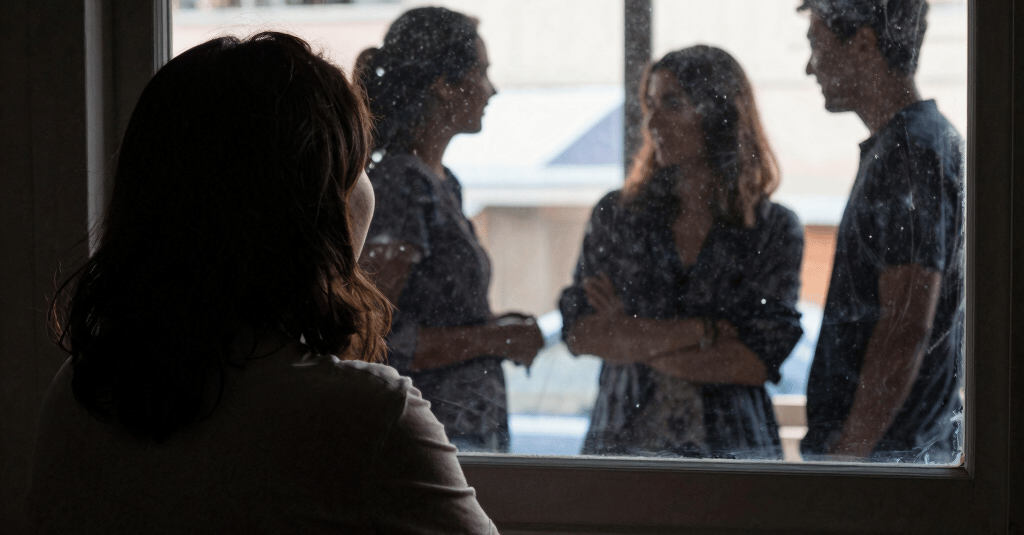
Why Connection Feels So Hard: Complex PTSD, Core Beliefs, and the Path Back to Yourself
If you’ve ever felt like connection is harder for you than it “should” be, you’re not alone. You might want closeness. You might value relationships. And yet, when you’re actually in them, something shifts. You overthink. You pull back. You feel exposed, anxious, or disconnected. Or you find yourself believing things like:
“I’m too much.”
“I’m not enough.”
“People will eventually leave.”
“I’m a burden.”
If that resonates, you may also relate to why you feel like a burden ordifficulty trusting yourself.
These aren’t random thoughts.
They’re often rooted in Complex PTSD (C-PTSD).
How Complex PTSD Shapes Your Sense of Self
Complex PTSD develops in environments where your emotional experience wasn’t consistently understood, validated, or responded to. Over time, your brain tries to make sense of those experiences.
And instead of concluding, “Something in my environment isn’t working," you conclude, “Something is wrong with me.” This becomes less of a thought and more of a lens—a way you experience yourself in the world.
Traumatic Invalidation
One way to understand this is through learning about traumatic invalidation.
It often looks something like this:
You experience something internally (a feeling, need, or reaction)
That experience isn’t met with understanding or attunement
You feel confusion, shame, or disconnection
You make meaning: “This must mean something is wrong with me”
That belief becomes internalized
You carry that belief into future relationships
It shapes how you interpret others and how you show up, as you expect to be treated according to what you think your self-worth is.
Over time, this cycle reinforces itself. So even in safe or neutral situations, your system is filtering experiences through internalized negative core beliefs.
How This Impacts Connection
When these beliefs are in place, connection doesn’t feel neutral—it feels risky.
You may assume others are judging you, feel like you have to perform or get it “right,” withdraw to avoid being seen, overextend to avoid losing connection or shut down emotionally when things feel overwhelming. You might also notice patterns like shutting down emotionally and not knowing why. Or you may have difficulty identifying what you actually feel or need. This isn’t because you’re “bad at relationships.” It’s because your system learned that connection wasn’t always safe.
Why Insight Alone Isn’t Enough
Many people understand these patterns intellectually. They can say, “I know this comes from my past.” But in the moment, the feeling is still there. That’s because these beliefs aren’t just thoughts—they’re felt experiences stored in the nervous system. Which means healing isn’t just about thinking differently.
It’s about experiencing something different.
What Actually Begins to Shift This
Healing these patterns involves two key experiences:
1. Self-Compassion
Self-compassion isn’t about forcing yourself to feel positive.
It’s about:
Recognizing that your responses make sense
Relating to yourself with less judgment
Creating a different internal experience than what you originally received
Over time, this begins to interrupt the cycle of:
experience → shame → self-blame
2. Safe, Consistent Connection
Because these wounds happened in relationship, they often need to be healed in relationship.
This can include:
Trauma therapy with a clinician near you
Supportive group environments
Relationships where you feel seen and not judged
One resource many people find helpful is Adult Children of Alcoholics and Dysfunctional Families (ACA).
Groups like Adult Children of Alcoholics and Dysfunctional Families provide:
A shared language for understanding these patterns
A sense of not being alone
Opportunities to experience connection differently over time
For many, this kind of environment helps begin to soften long-held beliefs about themselves.
Why This Work Matters
When these core beliefs begin to shift, connection starts to feel different. Not perfect. Not effortless. But less threatening, less performative, and more real.
You may find that you’re able to stay present instead of shutting down, trust your reactions more, feel less defined by shame, and experience connection without losing yourself.
You’re Not Alone in This
This is something I work with often in trauma therapy with clients in Marin, California. Many people come in believing their difficulty with connection is a personal flaw. But when we look at it through the lens of Complex PTSD, it starts to make sense.
Closing
If you’re looking for therapy near you, this work doesn’t have to be something you figure out on your own. Working with a clinician who understands C-PTSD can help you begin to shift these patterns—at the level they were created.
Contact me here to learn more or schedule a free consultation.
Continue Reading
Why Do I Feel Like Something Is Wrong With Me?
Signs of Childhood Emotional Neglect
Why You Shut Down Emotionally
Why You Don’t Trust Yourself
Why You Feel Like a Burden