
What Are Core Beliefs? How Trauma Shapes the Way You See Yourself
Learn how core beliefs form through Complex PTSD and emotional neglect—and how trauma therapy in Marin and throughout California can help you shift them.
Anna Lacey, LCSW
4/29/20263 min read
What Are Core Beliefs? How Trauma Shapes the Way You See Yourself
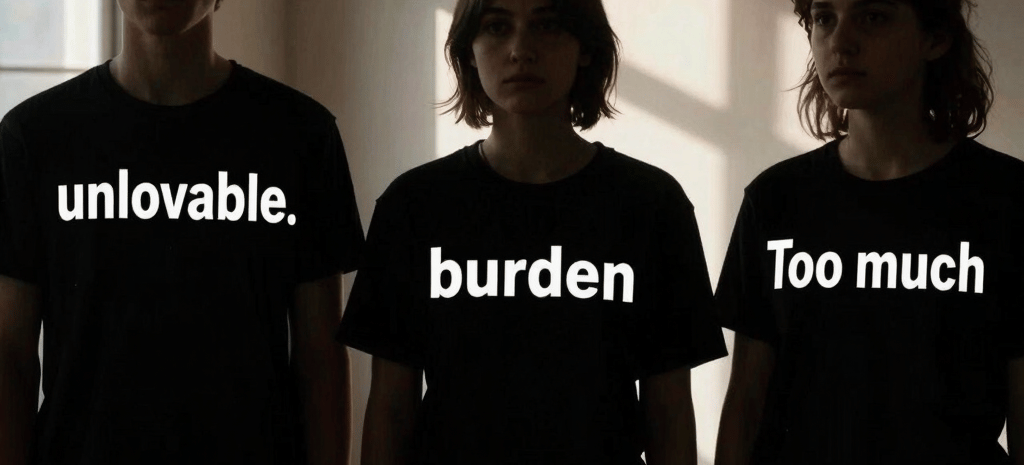
If you’ve ever found yourself thinking things like:
“I’m not enough"“I’m too much”
“Something is wrong with me”
“I’m a burden”
You’re not just having random thoughts. These are often core beliefs—deep, internalized ways of understanding yourself that formed over time. And for many people, especially those with Complex PTSD, these beliefs didn’t come out of nowhere.
They developed in response to real experiences.
What Core Beliefs Actually Are
Core beliefs aren’t just surface-level thoughts. They’re felt assumptions about who you are, how others see you, and what you can expect from relationships. They often operate automatically and can feel like facts rather than interpretations.
You may not consciously think: “I’m not enough, " but you feel it when you second-guess yourself, you hesitate to speak up, you assume others are judging you or you feel uncomfortable being seen. If this resonates, you might also relate to difficulty trusting yourself.
How Core Beliefs Form (Especially in Complex PTSD)
Core beliefs often develop in environments where your internal experience wasn’t consistently understood or supported. This doesn’t always mean obvious trauma.
It can include patterns like: emotional neglect, inconsistent responses from caregivers, being misunderstood or criticized, or feeling like you had to adapt to others. When a child repeatedly has experiences that don’t make sense or don’t feel safe, their brain tries to organize those experiences. And it often lands on: “This must be about me.”
Common Core Beliefs in Complex PTSD
Over time, this can lead to core beliefs like:
“I’m not enough”
“I’m too much”
“I’m unlovable”
“I don’t matter”
“I’m a burden”
These beliefs don’t just stay in your thoughts. They shape how you experience everything.
How Core Beliefs Affect Your Life
Once core beliefs are in place, they act like a filter.
They influence how you interpret other people’s behavior, how safe or unsafe connection feels, how you respond emotionally, and what you expect from relationships. For example, if you carry the belief “I’m too much,” you might hold back in conversations, feel anxious about being expressivor worry about overwhelming others.
If you carry “I’m not enough,” you might overwork or overperform, feel like an imposterbor struggle to feel satisfied, even when things go well. You may also notice patterns of shutting down emotionally when things feel overwhelming.
Why These Beliefs Feel So True
One of the hardest parts about core beliefs is that they don’t feel like beliefs. They feel like reality. That’s because they were formed early, repeated often, and reinforced over time. Your brain isn’t trying to mislead you—it’s trying to create consistency and predictability based on past experience. Even when your current environment is different, those earlier patterns can still shape how you interpret things.
Why “Just Think Positive” Doesn’t Work
You may have tried to challenge these beliefs by thinking more positively. But it often doesn’t stick. That’s because core beliefs aren’t just cognitive—they’re relational and emotional. They were formed through experience. Which means they tend to shift through new experiences, not just new thoughts.
What Actually Helps Shift Core Beliefs
1. Awareness/Mindfulness
The first step is recognizing:
“This is a belief—not a fact.”
Even that small shift can begin to loosen its hold.
2. Self-Compassion
Instead of trying to eliminate the belief, you begin to relate to it differently.
For example, instead of “I’m a burden,” it becomes, “This is a part of me that learned to feel like a burden.”
This creates space.
3. New Relational Experiences
Because these beliefs formed in relationship, they often shift in relationship.
This can include trauma therapy, supportive relationships, and group spaces where you feel seen and understood. Some people find additional support in groups like Adult Children of Alcoholics and Dysfunctional Families, where shared experiences can help challenge long-held beliefs about yourself.
Why This Matters
When core beliefs begin to shift, your entire experience changes.
Not because your life suddenly becomes perfect—but because you relate to yourself differently, you interpret others differently, and you feel safer being yourself. Connection becomes less threatening. And more possible.
You’re Not Alone in This
This is something I work with often in trauma therapy with clients in Marin and other cities in California. Many people come in believing these beliefs are just “who they are.” But over time, it becomes clear: These beliefs were learned. And they can shift.
Closing
If you’re looking for a therapist near you for trauma therapy, you don’t have to keep trying to change these patterns on your own. Working with a clinician who understands Complex PTSD can help you begin to shift these beliefs in a way that actually lasts.
Contact me here to learn more or schedule a free consultation.
Continue Reading
Why You Feel Like Something Is Wrong With You
Signs of Childhood Emotional Neglect
Why You Shut Down Emotionally
Why You Don’t Trust Yourself
Why You Feel Like a Burden