
What is an emotional flashback?
Emotional flashbacks occur when an old emotional wound is activated, sending the person back into how they felt when they were first hurt through emotional neglect or traumatic invalidation.
Anna Lacey, LCSW
5/5/20264 min read
What Is an Emotional Flashback? (And Why It Feels Like You’re Back There Again)
If you’ve ever had a moment where your emotions suddenly felt overwhelming, confusing, and out of proportion to what’s happening—you may have experienced an emotional flashback.
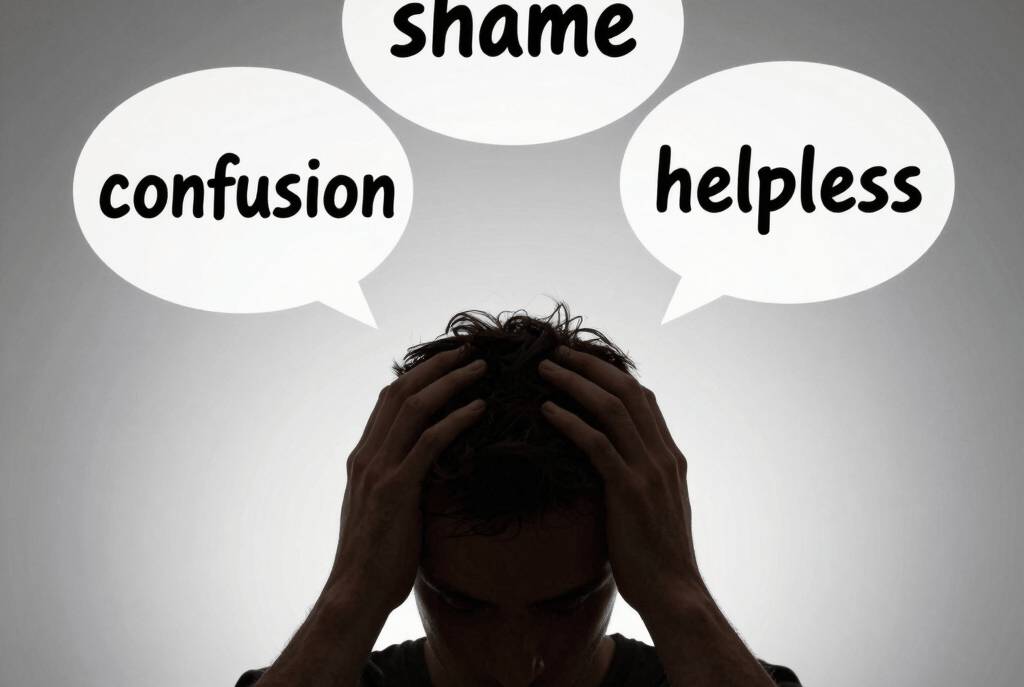
Unlike traditional flashbacks, emotional flashbacks don’t always come with clear memories. Instead, they feel like sudden wave of shame, fear, or worthlessness, a sense that something is deeply wrong or an urge to shut down, fix, or escape. And most confusing of all, it can feel like you’ve become a younger version of yourself—without knowing why.
What Is an Emotional Flashback?
From an Internal Family Systems (IFS) perspective, an emotional flashback is when a younger, wounded part of you becomes activated and takes over your emotional experience. Instead of remembering the past, you are feeling it from the inside.
That part may carry beliefs like:
“I’m not safe”
“I’m too much”
“I don’t matter”
“I’m a burden”
Why Emotional Flashbacks Feel So Real
When a younger part is activated, your system temporarily loses access to your grounded, adult self. In Internal Family Systems, this is called being blended with a part. That’s why the feelings feel absolute, the beliefs feel like facts, and the urgency feels intense. You’re not just having a reaction—you’re inside a part of you that learned this long ago.
Traumatic Invalidation
You can think of emotional flashbacks as part of a larger pattern. Here's an example.
A present-day moment activates a deep emotional wound, such as being criticized by your supervisor at work. If you are already very critical of yourself due to experiencing heavy criticism as a child, this trigger could activate the old, familiar and very painful feeling. You may suddenly experience intense feelings and thoughts like, "I am unloveable" or "I am a burden." At this point, you are no longer thinking from your present-day self. You are suddenly feeling the emotions from childhood.
That is the emotional flashback.
And because you've been sent back into an old, immature way of thinking, you can only think of immature coping strategies. This can look like people-pleasing, shutting-down, or over-explaining with desperation. Then, when you snap out of that old feeling and return to your old self, you experience intense feelings of shame for how you have just behaved, which reinforces the entire pattern.
Emotional flashbacks occur in people who lived in childhood environments where emotions weren’t met consistently.
In terms of IFS, I would explain the same process as follows. When a younger part is activated, your system temporarily loses access to your grounded, adult self. This can also be understood as your personality blending with a part. Because the part is a previous version of you, it can be very hard to notice when a part blends/hijacks the brain. That’s why the feelings feel absolute, the beliefs feel like facts, and the urgency feels intense. You’re not just having a reaction—you’re inside a part of you that learned this long ago.
Signs You’re in an Emotional Flashback
You feel suddenly younger, small, or powerless
Your reaction feels disproportionate
You’re flooded with shame or fear for how you reacted
You feel urgency to: Fix, Withdraw, or Get reassurance
You lose access to perspective
An IFS + Reparenting Way to Work With Emotional Flashbacks
Instead of trying to “stop” the reaction, the goal is to shift your relationship to the part experiencing it.
1. Notice the part
Instead of, “Something is wrong with me," try, “A part of me is feeling overwhelmed right now.”
2. Get curious, not corrective. Gently ask:
“How old does this part feel?”
“What does it believe right now?”
“What is it afraid will happen?”
You’re not analyzing—you’re listening.
3. Orient the part to the present
This is where reparenting begins. You might say internally:
“I’m here with you”
“You’re not alone anymore”
“This isn’t happening the way it did before”
4. Offer what wasn’t received
Reparenting means giving the part what it needed but didn’t get:
Validation → “That makes sense”
Protection → “I won’t let that happen again”
Care → “You matter to me”
5. Slow everything down
Protective parts often create urgency. You may feel like you have to fix something right now. Or that you need the thought or feeling to leave your consciousness immediately. You just want to stop the feeling.
You can instead use mindfulness to take a pause and breathe. Then you can remember that nothing needs to be solved while a part is overwhelmed.
Why This Approach Works
Emotional flashbacks don’t resolve through logic alone.
They resolve through:
Unblending from parts
Building relationship with them
Updating their experience through reparenting
Over time, this changes:
The intensity of flashbacks
The speed of recovery
The core beliefs underneath
You’re Not Regressing—You’re Accessing
You’re not going backward—you’re accessing parts of you that never got what they needed. And now, you’re in a position to offer something different.
FAQ: Emotional Flashbacks (IFS + Reparenting Lens)
What part of me is activated in an emotional flashback?
Usually a younger, exiled part that carries pain, shame, or fear from earlier experiences.
Are my reactions just protective parts?
Often both are present:
The emotional flashback = the wounded part
The reaction (shutdown, people-pleasing, etc.) = protective parts
What if I can’t feel compassion toward the part?
That’s okay. That likely means another part is present (often critical or overwhelmed). Start by getting curious about that part first.
How long does it take to change this?
With consistent awareness and internal relationship-building, many people notice a faster recovery with less intensity and more self-trust.
Final Thought
If emotional flashbacks have been part of your experience, it makes sense that you’ve felt overwhelmed or confused by your reactions. But nothing here is random. Your system adapted to what it lived through. And with an IFS and reparenting approach, those patterns don’t just get managed—they can be deeply transformed.
Call to action:
If this resonates, I specialize in helping adults heal from complex PTSD using IFS and reparenting. You can learn more or schedule a consultation here.
further reading:
https://letthelightintherapy.com/why-having-needs-can-feel-dangerous-for-people-with-complex-ptsd
https://letthelightintherapy.com/why-you-shut-down-emotionally-and-whats-actually-happening