
Why Group Therapy Feels So Hard (And Why That’s Actually the Point)
For many people—especially those dealing with complex trauma—the idea of sitting in a room (or even on a screen) with other people and sharing anything personal can feel overwhelming.
Anna Lacey, LCSW
5/21/20263 min read
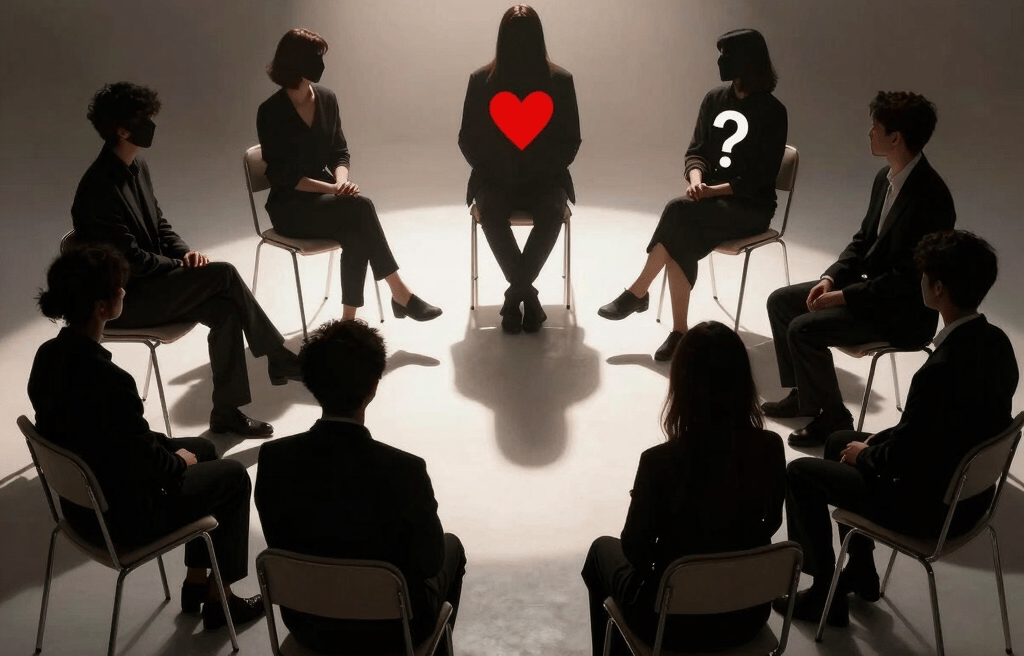

Why Group Therapy Feels So Hard (And Why That’s Actually the Point)
If you’ve ever considered group therapy and immediately thought, “That’s not for me,” you’re not alone. For many people—especially those dealing with complex trauma—the idea of sitting in a room (or even on a screen) with other people and sharing anything personal can feel overwhelming.
You might find yourself thinking:
I wouldn’t know what to say
What if I feel exposed?
What if I say the wrong thing?
What if I take up too much space?
These reactions are incredibly common. They’re also not random. In fact, the very reasons group therapy feels hard are often the reasons it can be so powerful.
Why group therapy can feel so uncomfortable
When people search things like “group therapy anxiety” or “fear of group therapy,” what they’re usually describing is something deeper than just nerves. Group therapy brings up things we have been desperately trying to avoid, such as being seen, facing uncertainty, feeling a lack of control and dealing with the possibility of being misunderstood. For someone with complex PTSD, those aren’t small things.
They’re often directly connected to earlier experiences where your feelings weren’t understood, your needs weren’t met and your reactions didn’t make sense to the people around you.
If that resonates, you might recognize some of these patterns here:
https://letthelightintherapy.com/signs-of-childhood-emotional-neglect
What’s actually happening internally
From the perspective of Internal Family Systems, group therapy often activates different parts of your system all at once. For example:
A part that wants connection
A part that feels like a burden
A part that wants to stay quiet and not be noticed
A part that is scanning for judgment
So internally, it can feel like:
I want to speak… but I shouldn’t
I want to be understood… but I don’t trust it
This isn’t indecision—it’s your system trying to protect you.
If you tend to feel like a burden or question yourself in relationships, this may feel familiar:
https://letthelightintherapy.com/why-you-feel-like-a-burden
https://letthelightintherapy.com/why-you-dont-trust-yourself
The moment you want to shut down
One of the most important moments in group therapy is often the one where you feel like pulling back, going quiet, or disconnecting. This is especially true for people who experience emotional shutdown: https://letthelightintherapy.com/why-you-shut-down-emotionally-and-whats-actually-happening
In group, that moment might look like someone shares something and you feel yourself freeze. Or maybe you want to speak, but your mind goes blank. Or even that you feel suddenly self-conscious or exposed.
It can feel like: Something is wrong with me. But often, what’s happening is: a familiar protective pattern is being activated in real time.
Why this is actually the point
This is the part that can be hard to understand at first. In individual therapy, you can talk about your patterns. In group therapy, you experience them as they happen.
That means the moment you feel like a burden can be noticed. Then the moment you shut down can be gently explored, and the moment you expect to be misunderstood can be responded to differently. And over time, something shifts.
Not because you forced yourself to change—but because you had a different relational experience.
A different kind of experience
Many people with complex PTSD carry a quiet but persistent belief: Something is wrong with me. If that resonates, this may also feel familiar:
https://letthelightintherapy.com/why-you-feel-like-something-is-wrong-with-you
Group therapy creates opportunities for something new to happen in those exact moments. Instead of being dismissed, being misunderstood, or feeling like too much, you may begin to experience something new that is the path to healing. You will notice that you are being listened to, being responded to with care and being understood in ways you’re not used to.
Not perfectly. Not all at once. But gradually.
A gentle reframe
If group therapy feels hard, that doesn’t mean it’s the wrong fit. It often means you’re getting close to something that matters.
You don’t have to share everything or say the “right” thing. I would never want you to push yourself beyond your capacity. You’re allowed to go at your own pace and take time to feel safe. In time, you will notice what happens without forcing change. It will simply come.
Why group therapy can be especially powerful for Complex PTSD
When people search for “complex PTSD group therapy,” they’re often looking for something that goes beyond insight. Because many of these patterns are relational, automatic and difficult to shift on your own. Group therapy allows you to see those patterns more clearly and stay with them instead of avoiding them. That's when you begin to experience something different.
If you’re considering group therapy
It’s okay to feel unsure.
It’s okay if part of you is curious and another part wants to avoid it entirely.
That ambivalence often makes sense.
If this resonates
I’m currently forming a small, ongoing process group for adults working through complex trauma.
If you’ve been doing individual therapy but still feel stuck in patterns that show up in relationships, this may be a meaningful next step.
To learn more, you can reach out for a free consult here.
Further reading:
https://letthelightintherapy.com/what-actually-happens-in-a-process-group
https://letthelightintherapy.com/process-groups-for-complex-therapy